If My House Is Clean, Why Do I Still Have Roaches?
One of the most common questions I hear from homeowners along Florida’s northeast coast is, "My house is clean, so why do I still have roaches?" It’s a valid and understandable frustration — after all, many people associate roaches with filth, so if you've scrubbed, vacuumed, and decluttered, why aren't the roaches gone?
As a licensed pest control operator and small business owner serving St. Johns and Flagler Counties for over a decade, I’ve learned that cleanliness alone doesn’t guarantee freedom from roaches. There are many layers to this problem involving Florida’s unique environment, cockroach biology, and even the allergens they produce that impact your health.
The Roach Problem in Florida: More Than Just Dirt
Roaches are not just a nuisance; they are well-adapted survivors that thrive under specific conditions—warmth, moisture, and food availability. Florida’s year-round humidity and frequent plumbing leaks create a prime environment for them. They can infiltrate homes even when they appear spotless because their habits and the environment go beyond surface cleanliness.
Florida Climate Pest Pressure: Warmth, Moisture, and Cracks
For roaches in Florida, it’s all about moisture and warmth. Where there’s a tiny plumbing leak or condensation around pipes, or where cracks allow access, you create a perfect habitat.
- Moisture: Plumbing leaks, damp areas under sinks, or condensation around HVAC units provide hydration for roaches. They can’t survive long without water.
- Warmth: Florida’s mild winters keep roaches active year-round.
- Cracks and crevices: Because roaches are nocturnal and shy, they hide in tiny spaces that are often overlooked during cleaning.
Even in a clean home, these environmental factors can allow roaches to persist.
Different Roaches, Different Challenges: American vs. German Cockroaches
Roach Species Common Name Habitat Size Behavior Impact Periplaneta americana American Cockroach (often called “Palmetto Bug” locally) Outdoors in warm, damp places; around plumbing; also indoors in basements, crawl spaces 1.5 to 2 inches Can fly; prefers moisture and warmth; often enters buildings from outside Source of allergens and hygiene issues; large and intimidating Blattella germanica German Cockroach Indoors; kitchens, bathrooms, cupboards; prefers warmth and moisture About 0.5 to 0.6 inches Highly reproductive; hides in tiny cracks; marks food and water sources with pheromones Major allergen source; commonly associated with asthma exacerbationsWhile many people lump all roaches under the term "palmetto bugs," I hate that because it ignores the biological and behavioral differences that affect control strategies. The American cockroach tends to come in https://smoothdecorator.com/how-long-does-it-take-for-roach-allergen-levels-to-go-down/ from outside, while the German cockroach sets up persistent indoor infestations that can be difficult to eliminate without an integrated approach.
Why Roaches Persist Even in Clean Homes
Let’s break down the main reasons why you might still face roach issues even after diligent cleaning:
1. Hidden Infestations in Hard-to-Reach Areas
Roaches are incredibly skilled at hiding in:
- Behind or under appliances like refrigerators and stoves
- Inside wall voids and behind baseboards
- Under sinks and around plumbing fixtures
- Inside cabinets and drawers, especially in cracks
Roach eggs and nymphs often remain undisturbed because these spots usually aren't included in regular cleaning routines. Remember, I always tell people to pull the fridge out before buying another spray. No amount of surface cleaning is going to reach what’s underneath or behind.
2. Persistent Cockroach Allergen Proteins and Asthma
Even if you see fewer roaches, their allergen proteins continue to accumulate in dust. Two important allergens are:
- Bla g: Derived from German cockroach proteins
- Per a: Derived from American cockroach proteins
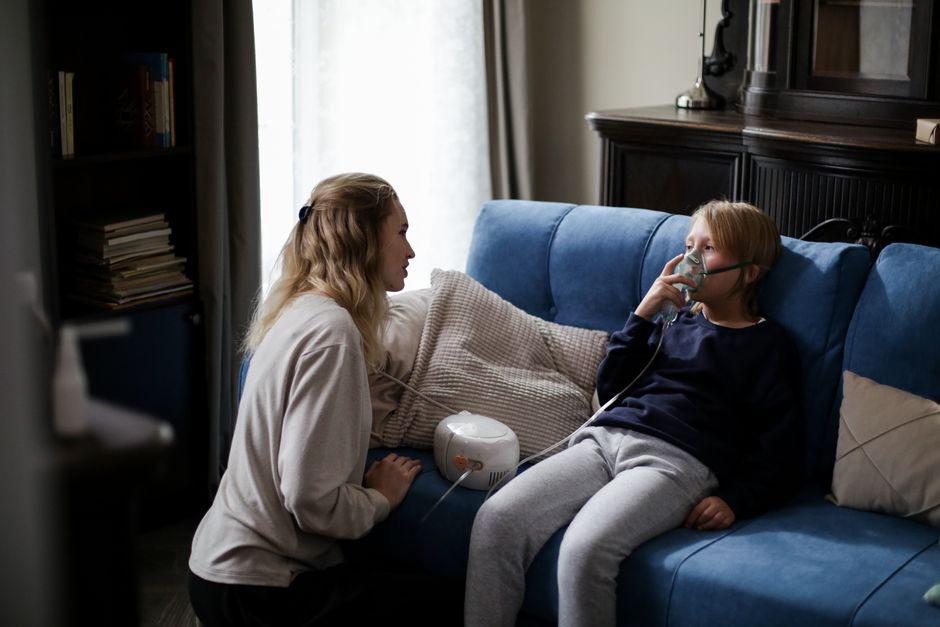
These proteins originate from their saliva, feces, and shed skin. They stick to dust particles and remain airborne, causing allergic reactions and exacerbating asthma symptoms, especially in children. Merely killing or seeing fewer roaches isn’t enough to remove the allergen dust.
3. Vague Cleaning Tips Don’t Cut It
Please, ignore broad advice like “just clean more.” Vague cleaning tips rarely mention the most important areas, such as under and behind appliances or using proper dust removal methods.
Instead, focus on:
- HEPA filter vacuuming: Vacuuming with a HEPA filter removes allergen-containing dust instead of redistributing it.
- Wet-wiping instead of dry dusting: Dry dusting just kicks dust around; using a damp cloth will capture and remove allergen particles effectively.
Plumbing Leaks Roaches Love
Plumbing leaks are a major culprit in creating roach havens. Even slow, unnoticed leaks can keep areas moist enough for roaches. Inspect the following regularly:
- Under sinks
- Behind toilets
- Near water heaters
- Under refrigerators (in ice maker lines)
Fixing leaks not only deprives roaches of water but also helps eliminate mold and mildew that attract other pests.
Understanding Integrated Pest Management (IPM)
Getting rid of roaches requires a multi-pronged approach:
- Eliminate moisture sources: Repair leaks, dehumidify damp spaces.
- Seal entry points: Caulk cracks and gaps around plumbing and foundation.
- Clean effectively:
- Pull out appliances and wet-wipe surfaces.
- Use a HEPA vacuum to remove allergen dust.
- Use targeted pest control treatments: Baits, gels, and dusts applied properly to infestation hotspots.
- Ongoing monitoring and maintenance: Regularly inspect vulnerable areas to catch and handle early infestations.
Why I Hate Bug Bombs
Since we’re on the topic, let me say it loud and clear: bug bombs don’t work and often make roach problems worse. They scatter hiding roaches to new areas and don’t affect eggs. Plus, they dissipate bla g allergen quickly and pose health risks from chemicals in your home.
Summary: Cleanliness Helps, But It’s Not a Roach Repellent
Roaches are survivors adapted to capitalizing on the warm, humid conditions and microscopic moisture leaks common in Florida. These pests are persistent and hide in places missed by routine cleaning. Their allergen proteins can exacerbate asthma and allergies even after visible roaches are gone.
To truly reduce roach problems, focus on:
- Fixing plumbing leaks and moisture issues
- Sealing cracks and potential entry points
- Deep cleaning behind and under appliances using wet-wiping and HEPA-filter vacuuming
- Using targeted pest control treatments, not bug bombs
- Understanding the difference between American and German cockroaches to tailor your approach
Remember, a clean house is an important part of pest management but not a guarantee against roaches. Trust the pros when infestation levels are high, and don’t forget to pull the fridge out before grabbing that aerosol spray. That simple step alone often reveals where the real problem lies.
If you’re facing persistent roach trouble in St. Augustine, Palm Coast, or surrounding areas, reach out for a professional inspection. With the right approach, you can reclaim your home from these unwanted guests.