Why Does My CBD Oil Just Float on Top of Black Tea?
Have you ever brewed a warm cup of black tea, eagerly added your CBD oil, maybe from trusted brands like Joy Organics, only to watch it stubbornly float on the surface? If you’ve searched Google Analytics or forums for “ cbd oil in tea floating” or “ cbd oil water separation,” you’re not alone — this common phenomenon has more to do with chemistry than bad product quality.
As someone who’s spent years developing recipes in my home kitchen and testing numerous CBD pantry ingredients, I’ve noticed a lot of misunderstandings around how to properly blend CBD oils with beverages, especially tea. This post will demystify why your CBD oil floats on tea and how to enjoy a flavorful, effective cup without wasting your product.
Understanding Why CBD Oil Floats on Black Tea
At first glance, seeing your precious CBD tincture (often stored in an amber glass bottle to protect its delicate cannabinoids from light) sitting on top of your tea might feel disappointing or make you wonder if the product is defective. It’s not! This is a chemistry issue rooted in water and oil immiscibility.
Water and Oil Don’t Mix
Black tea is primarily water, and CBD oil is, well, oil-based — usually suspended in MCT oil, hemp seed oil, or other fat carriers. Water and oil have molecular properties that repel each other, so instead of mixing harmoniously, they separate. This creates the familiar oil slick floating on top of your tea.
Think of salad dressings: the oil floats until you shake it vigorously. But with hot tea, your CBD oil is much less dense than water and won’t easily disperse without agitation or an emulsifier.
Why Adding CBD Oil at the Wrong Time Can Ruin Your Experience
One major recipe faux pas is adding CBD oil full spectrum CBD taste cooking directly to boiling hot tea. From my notebook of “works well” versus “waste of money” ingredients, heat degradation is a silent killer of CBD potency and aroma.
- Heat Degrades Cannabinoids: Cannabinoids like CBD start breaking down when exposed to prolonged high heat, reducing their therapeutic effects.
- Essential Aroma Compounds Evaporate: CBD oil carries subtle terpenes that can vanish when heated, dulling the flavor.
- Heat Promotes Separation: The hotter the water, the more pronounced the oil separation becomes as the oil rises rapidly to the surface.
How to Properly Add CBD Oil to Your Black Tea
To avoid watching your CBD oil float all alone on top of a sea of tea, adjust your technique using these tips.
1. Brew Your Tea Fully, Then Let It Cool Slightly
Once your black tea has brewed, ideally wait 2–3 minutes so it’s warm but not boiling. This practice helps preserve CBD’s delicate compounds and allows the oil to last longer in your drink.
2. Add CBD Oil Off Heat
Always add your CBD tincture after removing the tea from the stove or electric kettle. This means your cannabinoids don’t face direct heat exposure.
Use a precise dropper with a fill line (common in Joy Organics’ packaging) to measure your dose accurately. This ensures consistent potency without guesswork, especially since vague instructions like “just add a dropper” annoy me thoroughly.
3. Stir Gently but Thoroughly
Give a gentle stir after adding the oil to disperse it throughout the tea. While oil and water won’t fully blend naturally, stirring breaks up the oil layer and temporarily suspends it, improving mouthfeel and taste.

Enhance CBD Oil Mixing by Adding Milk or Fat-Based Ingredients
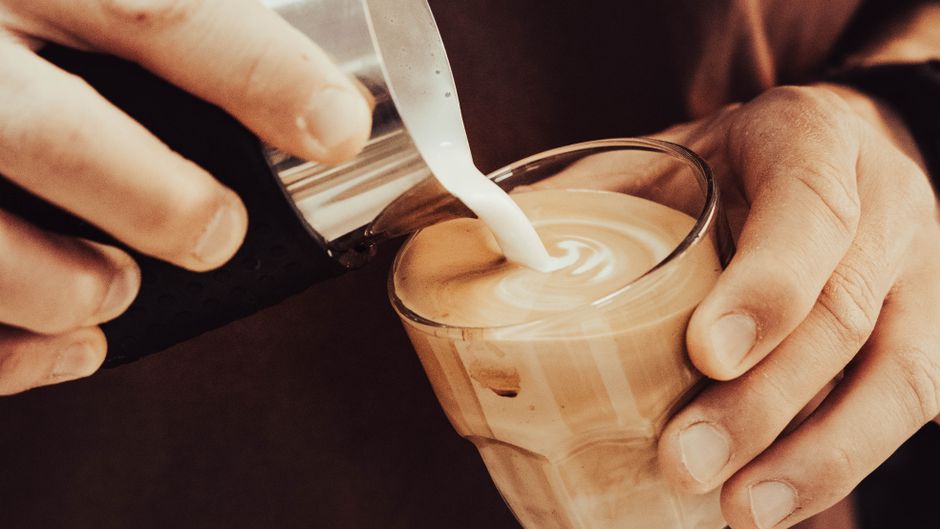
If you want to kick separation to the curb, adding a fat-based component to your tea is key. Cannabinoids are fat-soluble, so they disperse better in fat-containing drinks.
Does Adding Milk to CBD Tea Help?
Yes! Adding milk or another dairy alternative (e.g., oat milk, coconut milk) encourages the CBD oil to dissolve more evenly in your cup because of the fats present.
- Whole milk or cream: The higher fat content allows cannabinoids to bind and suspend rather than float.
- Non-dairy alternatives: Choose fortified options with some fat; almond or coconut milks often work well.
- Butter or Coconut Oil: Adding a small bit (a teaspoon) can also act as an emulsifier.
Scientific insight aligned with the USDA (National Organic Program) standards highlights the importance of carrier oils and fat emulsifiers to maintain product integrity and deliver consistent dosing in edible applications.
Why Avoid Adding CBD Oil to Water-Only Drinks
If you’re simply steeping tea and skipping fat ingredients, expect stubborn separation. Water-based tea won’t integrate oil well and results in a less pleasant texture. Unless you add fats first, your CBD tincture won’t appropriately mix.
Practical Summary: Steps for the Best CBD Tea Experience
Step Action Why It Matters 1 Brew your black tea fully Extracts tea flavor without burning cannabinoids 2 Let tea cool slightly (to under 140°F/60°C) Prevents heat degradation of CBD and terpenes 3 Add fat-based milk or cream (optional but recommended) Helps CBD dissolve, improving consistency and taste 4 Use dropper with fill line to dose CBD oil accurately (like Joy Organics) Ensures consistent dosing without waste 5 Add CBD oil off heat and stir gently Maximizes cannabinoid retention; disperses oilStoring Your CBD Oil Correctly Also Matters
The common practice of keeping your tincture in a dark amber glass bottle isn’t just for show. Light exposure accelerates degradation of cannabinoids and terpenes. This is why many reputable brands, including Joy Organics, prioritize packaging that preserves product integrity so the dose you add to your tea is effective every time.
Final Thoughts on Preventing CBD Oil Water Separation in Tea
Seeing CBD oil float on your black tea can be Learn more here frustrating but is usually a sign of physics, not bad quality. Remember these key points:
- Oil and water naturally separate — stirring helps but doesn’t fully blend.
- Adding CBD off heat preserves potency and aroma.
- Incorporate fats like milk or cream to improve dispersion.
- Accurate dosing tools like droppers with fill lines reduce guesswork.
- Store tinctures in amber glass bottles away from heat and light.
Next time you prepare your CBD tea, give these strategies a try. You’ll get more from your product and enjoy a smoother, more palatable tea experience that truly delivers the benefits you’re after.
Curious about optimizing other CBD recipes or want more science-backed tips? Stay tuned for more kitchen-tested insights!